What Affects Car Insurance Rates — Wyoming
Free to compare
Why Wyoming Premiums Vary by Hundreds of Dollars
You requested quotes from three carriers for the same two vehicles at the same coverage levels. One quoted you substantially less than the others, and you need to understand why before committing. The difference is not random — Wyoming carriers price risk differently based on where you garage your vehicles, how you use them, and which coverage decisions you make beyond the state's $25,000/$50,000/$20,000 minimum liability limits.
This article walks through the six factors that create the largest premium swings for Wyoming households insuring multiple vehicles. You will see which decisions you control, which you do not, and how to structure your policy to meet state requirements without paying for coverage that does not fit your household's actual risk.
“A vehicle garaged at a second address may not qualify for the multi-car discount even when it sits on the same policy.”
Meet Wyoming's Requirements Without Overpaying
Get My Wyoming Car Insurance Quote$921.55
Wyoming Average Annual Auto Expenditure
Wyoming drivers spent an average of $921.55 per insured vehicle in 2023, substantially below the national average. Rural driving patterns, lower theft rates, and the state's 6.7% uninsured-motorist rate contribute to this cost structure.
NAIC Auto Insurance Database Report 2023
Where You Garage Your Vehicles Determines Base Rate
Carriers assign every vehicle a garaging address and price that address's theft rate, collision frequency, and weather-related claim history. A vehicle garaged in Cheyenne prices differently than one garaged in Jackson or Gillette, even when both are on the same policy. Wyoming's 111.6 vehicle thefts per 100,000 population in 2024 is low compared to urban states, but carriers still differentiate by ZIP code within the state.
If you own a home in one county and work in another, the garaging address is where the vehicle is parked overnight most nights, not your mailing address. Misrepresenting garaging location to chase a lower rate voids coverage at claim time. When you add a second or third vehicle to your policy, each vehicle's garaging address is priced independently — two cars at the same address usually qualify for the multi-car discount, but a car garaged at a second property may not.
Wyoming's rural character means many households own property in multiple counties or garage a work vehicle at a ranch while keeping a daily driver in town. Carriers handle this differently: some price each vehicle at its actual garaging address and apply the multi-car discount across the policy, others require all vehicles to share one garaging address to qualify for the discount. Ask the carrier directly before assuming your household structure qualifies.
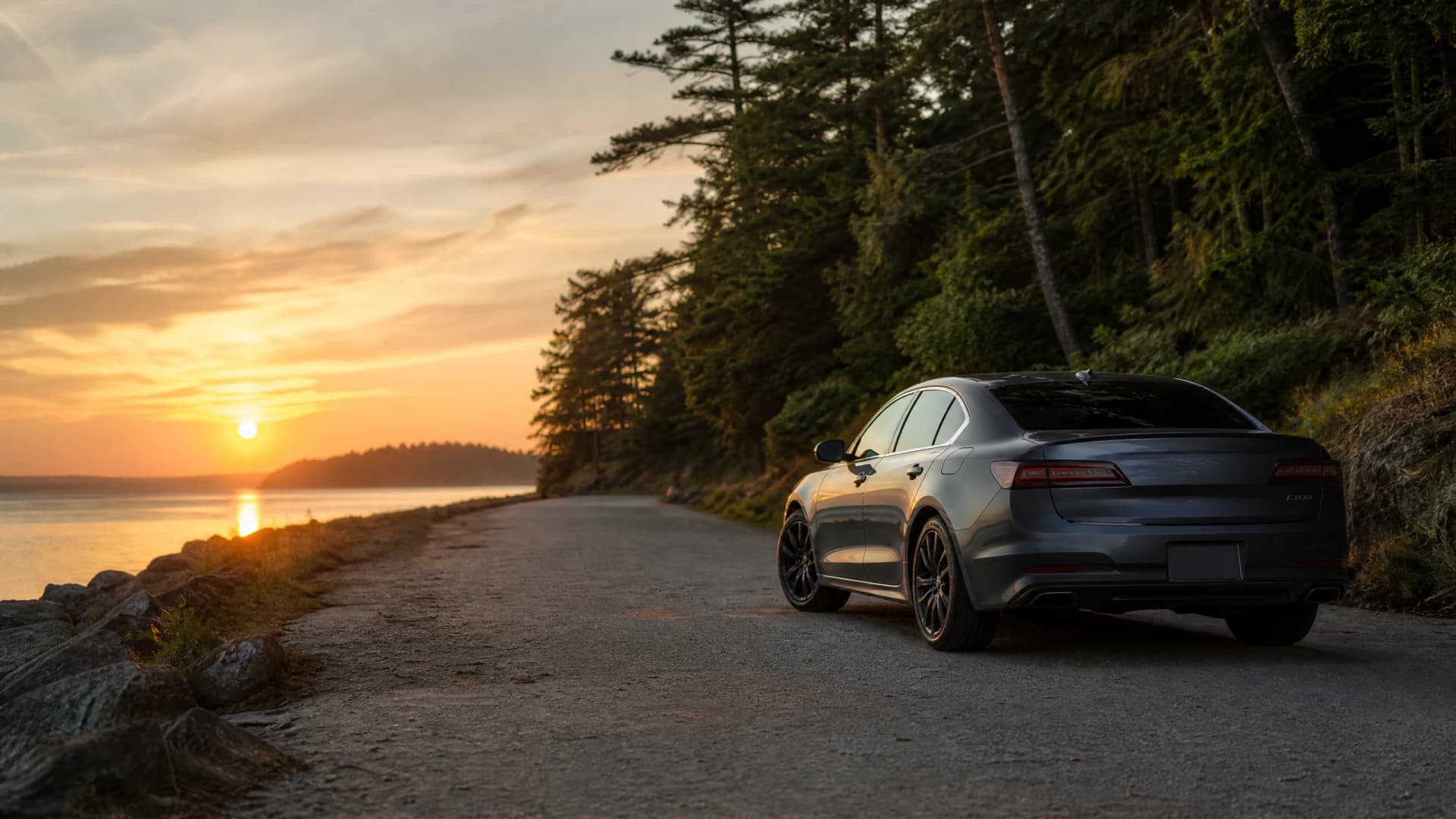
A vehicle garaged at a second address may not qualify for the multi-car discount even when it sits on the same policy as your other cars.


Coverage Decisions Beyond State Minimums
Wyoming requires $25,000 bodily injury per person, $50,000 per accident, and $20,000 property damage. Those minimums are your legal floor, not a recommendation. A household insuring two vehicles can meet the minimum on both for less than the cost of full coverage on one, but the minimum leaves you personally liable for damages above those limits. If you cause an accident that injures multiple people or totals a newer vehicle, you pay the difference out of pocket.
Full coverage adds collision and comprehensive to the liability minimum. Collision pays to repair your vehicle after an at-fault accident; comprehensive covers theft, weather damage, and animal strikes. Wyoming's rural roads and wildlife make comprehensive a common choice even for drivers who skip collision. A $500 deductible costs more per month than a $1,000 deductible, but you pay less out of pocket at claim time. Households with older vehicles often drop collision once the vehicle's value falls below a threshold where the annual premium exceeds the potential payout.
Uninsured and underinsured motorist coverage is optional in Wyoming, but it protects you when the at-fault driver carries no insurance or insufficient limits. Wyoming's 6.7% uninsured rate is lower than many states, but that still means roughly 1 in 15 drivers on the road cannot pay for the damage they cause. Adding UM/UIM coverage to a multi-car policy costs less than adding it to separate single-car policies because the coverage applies per policy, not per vehicle.
6.7%
Wyoming Uninsured Motorist Rate
Approximately 6.7% of Wyoming motorists drove without insurance in 2023. While lower than the national average, this rate means uninsured and underinsured motorist coverage remains a relevant decision for households structuring multi-vehicle policies.
Insurance Research Council, 2023
Credit, Age, and Household Structure
Wyoming permits carriers to use credit-based insurance scores when pricing policies. A higher score correlates with lower premiums because carriers view it as a predictor of claim frequency. If you have poor credit, expect higher quotes across all carriers that use scoring. Some carriers weigh credit more heavily than others, which is why quotes for the same household can vary widely. Improving your credit over time lowers your rate at renewal without any change to your driving record or coverage.
Age affects rates at both ends of the spectrum. Teen drivers price higher than any other age group because they crash more frequently. Adding a 16-year-old to a household policy raises the premium substantially, but it costs less than buying the teen a separate policy. Senior drivers in Wyoming renew on the standard five-year cycle with a vision test at every renewal, and carriers do not accelerate renewal frequency by age. A senior driver with a clean record and low annual mileage often qualifies for lower rates than a middle-aged driver with a long commute.
Compare Carriers Writing Your Household
Seventeen carriers write auto insurance in Wyoming, and each prices the factors above differently. One carrier may weigh garaging location heavily while another emphasizes driving record. A household with two clean-record drivers and two newer vehicles garaged in Cheyenne will see different rate rankings than a household with one violation, three older vehicles, and a rural garaging address. The only way to know which carrier prices your specific household lowest is to request quotes from multiple carriers at identical coverage levels.
When comparing quotes, confirm that each quote reflects the same liability limits, the same deductibles, and the same optional coverages. A quote that looks cheaper may carry higher deductibles or exclude coverages you need. Ask each carrier whether all your vehicles qualify for the multi-car discount and whether any household member's driving record or garaging address disqualifies you. Some carriers exclude certain vehicle types or driver profiles from their best rates. Compare the total annual premium for all vehicles combined, not the per-vehicle cost, because the multi-car discount applies at the policy level.
How Driving Record and Vehicle Use Interact
Wyoming recorded 1.51 traffic fatalities per 100 million vehicle miles traveled in 2023, and 25% of those fatalities involved alcohol impairment. Carriers price both violation history and annual mileage because both predict claim probability. A household with two vehicles driven 10,000 miles each prices lower than a household with one vehicle driven 25,000 miles, even at identical coverage levels. When you add a vehicle to your policy, the carrier asks how each vehicle is used: commute, pleasure, business. A vehicle driven daily to work in winter conditions prices higher than one driven occasionally for errands.
Violations stay on your record for three years in Wyoming, but their rate impact declines over time. A single speeding ticket raises your premium less than a DUI, and the increase fades as the violation ages. If one household member has violations and another does not, some carriers let you designate a primary driver per vehicle to isolate the rate impact. A teen driver assigned to an older sedan prices that vehicle higher, but the household's newer SUV driven by a parent with a clean record prices at the parent's rate.
Get Your Free Quote
Get My Wyoming Car Insurance QuoteFrequently Asked Questions
Does Wyoming require uninsured motorist coverage?
No. Wyoming does not mandate uninsured or underinsured motorist coverage, but approximately 6.7% of drivers in the state carry no insurance. Adding UM/UIM coverage protects you when an at-fault driver cannot pay for damages. The coverage applies per policy, so adding it to a multi-car policy costs less than adding it to separate single-car policies.
How does garaging address affect my premium in Wyoming?
Carriers price each vehicle based on where it is parked overnight most nights. A vehicle garaged in Cheyenne prices differently than one in Jackson or Gillette due to theft rates, collision frequency, and weather-related claims. If you garage vehicles at multiple addresses, some carriers require all vehicles to share one address to qualify for the multi-car discount.
Can I drop collision coverage on an older vehicle in Wyoming?
Yes. Collision coverage is optional once you satisfy any lienholder requirement. Many households drop collision when the vehicle's value falls below a threshold where the annual premium exceeds the potential claim payout. Comprehensive coverage for theft and weather damage often remains worthwhile even after dropping collision, especially in rural areas with wildlife.
How long does a speeding ticket affect my Wyoming car insurance rate?
Violations remain on your Wyoming driving record for three years, but their rate impact declines over time. A single speeding ticket raises your premium less than a DUI, and the increase fades as the violation ages. Some carriers let you designate a primary driver per vehicle to isolate the rate impact when one household member has violations and another does not.
Does adding a teen driver to my Wyoming policy cost less than a separate policy?
Yes. Adding a teen to an existing household policy costs substantially less than buying the teen a separate policy. Teen drivers price higher than any other age group due to crash frequency, but the multi-car discount and shared policy structure reduce the total cost. Assigning the teen as primary driver on an older vehicle rather than a newer one further lowers the household premium.