
Full Coverage Car Insurance — Wyoming
Free to compare
The Coverage Decision Multiplies Across Your Vehicles
You own two or three cars. Wyoming law requires liability coverage on each one — $25,000 per person for bodily injury, $50,000 per accident, and $20,000 for property damage. That's the floor. The question is whether you add collision and comprehensive (together called full coverage) to every vehicle, to some, or to none.
The decision compounds. A household with three vehicles paying for full coverage on all three carries a higher premium than one that runs liability-only on an older car and full coverage on the two newer ones. The structure you choose determines your total household premium and your out-of-pocket exposure if one of your cars is damaged or totaled.
“The decision compounds — a household with three vehicles paying for full coverage on all three carries higher premiums than one running liability-only on an older car.”

Meet Wyoming's Requirements Without Overpaying
Get My Wyoming Car Insurance Quote$25,000/$50,000/$20,000
Wyoming Minimum Liability
Wyoming statute requires $25,000 bodily injury per person, $50,000 per accident, and $20,000 property damage. This applies to every vehicle you register, regardless of how many cars you own.
Wyoming Department of Transportation, Driver Services
What Full Coverage Actually Covers
Full coverage is not a product name. It's shorthand for a liability policy plus collision and comprehensive. Collision pays to repair or replace your car after a crash with another vehicle or object, minus your deductible. Comprehensive pays for damage from theft, weather, vandalism, or animal strikes, also minus your deductible.
Liability-only covers damage you cause to others — their car, their medical bills, their property. It does not pay to fix your own car. If you're at fault in a crash and you carry only liability, you pay out of pocket to repair or replace your vehicle. If the car is financed or leased, your lender requires collision and comprehensive until the loan is paid off.
The choice matters most when a vehicle is totaled. With full coverage, the insurer pays the actual cash value minus your deductible. The premium difference between liability-only and full coverage is the cost of transferring that replacement risk to the carrier.
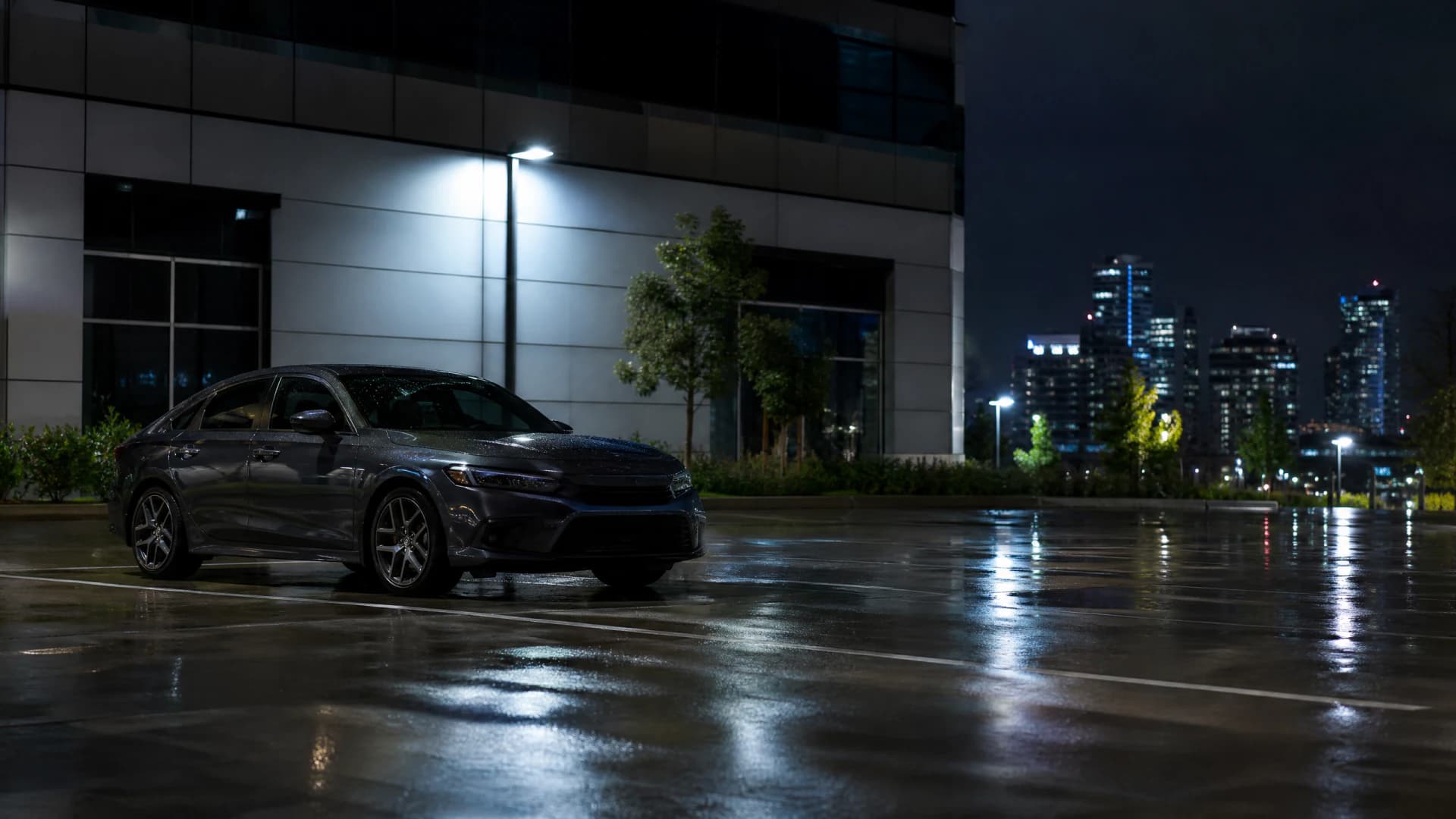
Lenders require collision and comprehensive on financed or leased vehicles. You cannot drop full coverage until the loan is paid off, regardless of the car's value.
Related Articles





Mixed Coverage Strategies Across Multiple Vehicles
Households with three or four cars often run a mixed strategy: full coverage on the newest or highest-value vehicles, liability-only on the oldest. This lowers the total household premium while protecting the assets that matter most. The tradeoff is clear — you carry replacement risk on the older car, and the insurer carries it on the newer ones.
One common structure: a household with a 2022 sedan, a 2018 SUV, and a 2010 truck runs full coverage on the sedan and SUV, liability-only on the truck. The truck's value has depreciated below the threshold where full coverage makes economic sense. If it's totaled, the household replaces it out of pocket or retires it. The sedan and SUV are protected.
This structure requires you to evaluate each vehicle's value annually. As a car depreciates, the point arrives where the annual full-coverage cost exceeds the benefit. When that happens, drop to liability-only and bank the premium difference. The decision is vehicle-specific, not household-wide.
6.7%
Wyoming Uninsured Motorist Rate
Approximately 6.7% of Wyoming drivers carry no insurance. Uninsured motorist coverage protects you when an at-fault driver cannot pay for damage to your vehicle or your medical bills.
Insurance Research Council, 2023

Deductibles and Premium Control
Collision and comprehensive each carry a deductible — the amount you pay before the insurer covers the rest. Common deductibles are $500 or $1,000. A higher deductible lowers your premium; a lower deductible raises it. The deductible applies per claim, per vehicle.
If you run full coverage on three vehicles, you choose a deductible for each one. Many households run a $1,000 deductible on newer cars and a $500 deductible on older ones, or the reverse depending on risk tolerance. The structure is flexible. The premium difference between a $500 and $1,000 deductible is typically modest; the out-of-pocket difference at claim time is $500.
Compare Carriers for Multi-Vehicle Policies
Wyoming has 16 carriers writing auto insurance in the state, including Geico, State Farm, Progressive, Allstate, and Farmers. Not all carriers price full coverage the same way, and not all offer the same multi-car discount structure. One carrier may price full coverage on three vehicles lower than another, even when the liability-only price is similar.
Request quotes for the exact coverage structure you're considering: full coverage on all vehicles, liability-only on all, or a mixed strategy. Compare the total household premium across carriers. The multi-car discount typically requires every vehicle on the same policy, so the comparison must include all your cars. A carrier that prices one vehicle competitively may not price three vehicles the same way.
When Full Coverage Makes Sense for Each Vehicle
If the vehicle is financed or leased, full coverage is mandatory. The lender holds a lien on the car and requires collision and comprehensive to protect their interest. You cannot drop it until the loan is satisfied. If you own multiple financed vehicles, all of them carry full coverage by contract.
If you own the car outright, compare the vehicle's actual cash value to the annual cost of collision and comprehensive. A general threshold: when the car is worth less than ten times the annual cost of full coverage over liability-only, many households drop to liability-only. Run this calculation for each vehicle separately.
Get Your Free Quote
Get My Wyoming Car Insurance QuoteFrequently Asked Questions
Does Wyoming require full coverage car insurance?
No. Wyoming requires liability coverage only: $25,000 per person for bodily injury, $50,000 per accident, and $20,000 for property damage. Full coverage (liability plus collision and comprehensive) is required only if your vehicle is financed or leased. If you own the car outright, you choose whether to add collision and comprehensive.
What is the difference between full coverage and liability-only in Wyoming?
Liability-only covers damage you cause to others — their vehicle, medical bills, and property. It does not pay to repair your own car. Full coverage adds collision (pays for damage to your car in a crash) and comprehensive (pays for theft, weather, vandalism, or animal strikes). If your car is totaled and you carry liability-only, you pay to replace it out of pocket.
Should I carry full coverage on all my vehicles?
It depends on each vehicle's value and loan status. Financed or leased vehicles require full coverage by contract. For owned vehicles, compare the car's actual cash value to the annual cost of full coverage. Many households drop to liability-only when a vehicle's value falls below ten times the annual full-coverage premium increment. Apply this test to each car separately.
Can I run full coverage on one car and liability-only on another?
Yes. Many households with multiple vehicles run a mixed strategy: full coverage on newer or higher-value cars, liability-only on older ones. This lowers the total household premium while protecting the vehicles that matter most. Each vehicle on your policy can carry different coverage levels.
How does the multi-car discount work with full coverage?
The multi-car discount applies when you insure two or more vehicles on the same policy. It reduces the total premium regardless of whether you run full coverage on all vehicles, liability-only on all, or a mix. The discount typically requires every vehicle to sit on one policy. Compare total household premiums across carriers to find the best price for your coverage structure.
What deductible should I choose for collision and comprehensive?
Common deductibles are $500 or $1,000. A higher deductible lowers your premium but increases your out-of-pocket cost at claim time. The deductible applies per claim, per vehicle. Many households choose a $1,000 deductible to lower premiums and accept the higher out-of-pocket risk. The premium difference between $500 and $1,000 is typically modest.