
Auto Insurance Coverages Wyoming Drivers Should Understand
Free to compare
Coverage Structure for Multi-Vehicle Households
You own two or three vehicles in Wyoming, and you're trying to figure out which insurance coverages you must carry and which are optional — and whether those requirements apply to each vehicle individually or to the policy as a whole. The confusion is structural: Wyoming law requires liability coverage on every registered vehicle, but other coverages attach differently depending on whether you're insuring one car or several on the same policy.
This article clarifies which coverages Wyoming mandates per vehicle, which are optional but recommended for multi-car households, and how each coverage type applies when you add or remove a vehicle mid-term. You'll understand the coverage framework before you compare carriers or adjust your policy.
“Adding a vehicle mid-term re-rates the entire policy based on the combined household risk profile, not just the new car's premium.”

Meet Wyoming's Requirements Without Overpaying
Get My Wyoming Car Insurance Quote$25,000 / $50,000 / $20,000
Wyoming Minimum Liability Limits
Wyoming requires $25,000 bodily injury per person, $50,000 bodily injury per accident, and $20,000 property damage on every registered vehicle. These limits apply individually to each car you insure, not as a single policy-wide cap.
Wyoming Department of Transportation, Driver Services
Liability Coverage Applies Per Vehicle, Not Per Policy
Wyoming's liability requirement attaches to each vehicle you register. When you insure two cars on one policy, both vehicles must carry at least the state minimum limits. You cannot satisfy the requirement by carrying one set of limits on the policy and dividing it across vehicles — each car needs its own liability coverage layer.
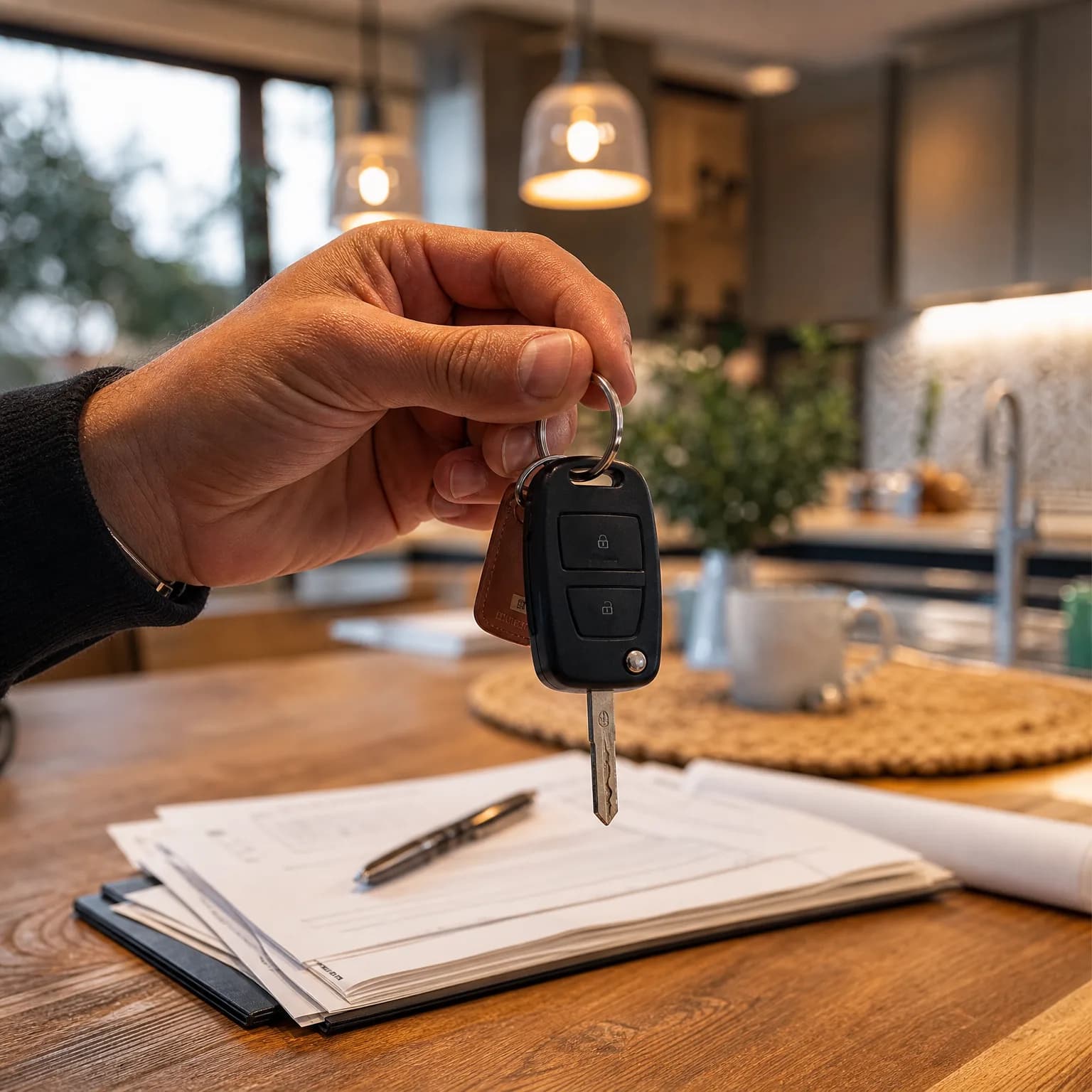
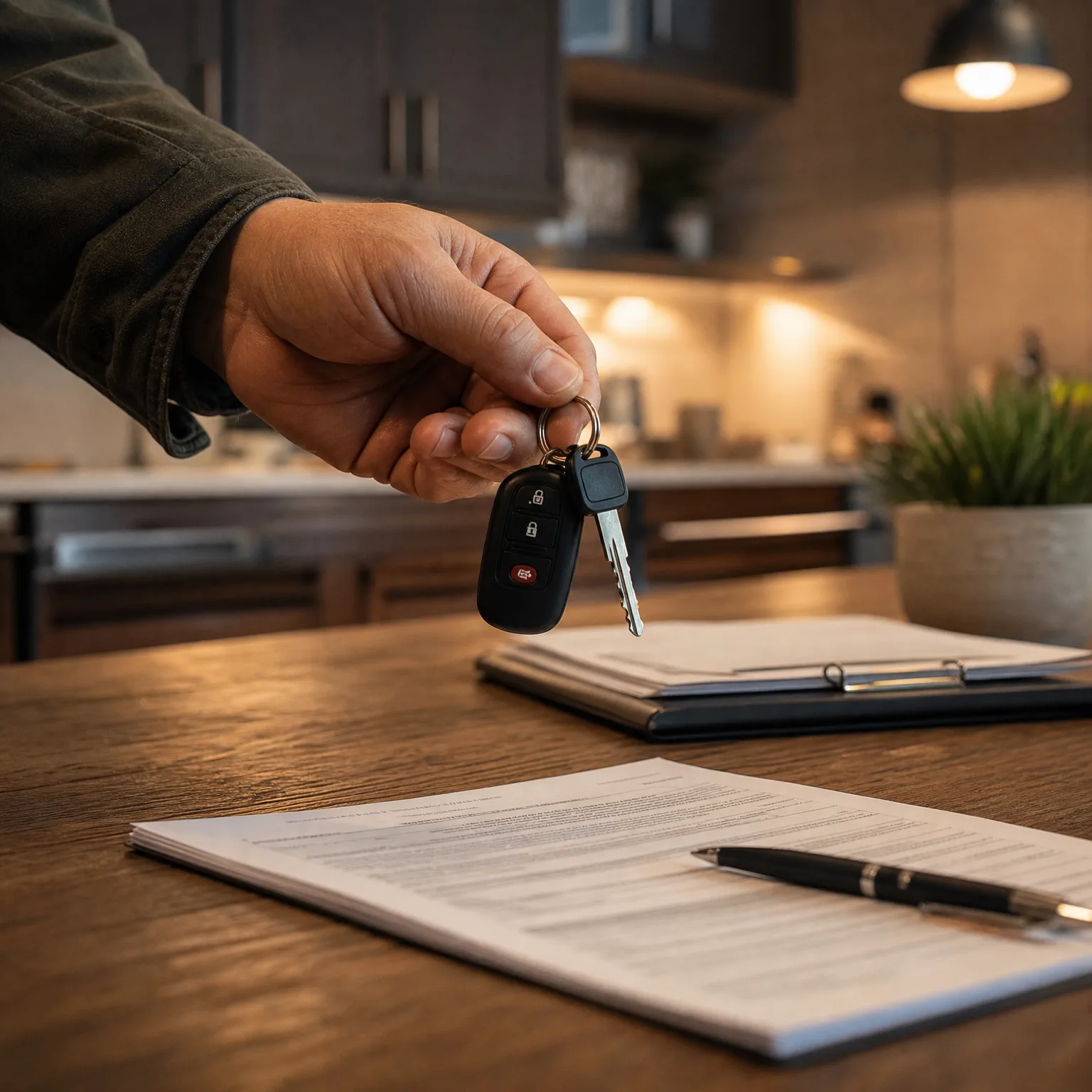
This matters when you add a vehicle mid-term. The new car must carry liability coverage from the moment it's titled and registered in your name, not just when the policy renews. Most carriers extend a grace period (typically 14 to 30 days) during which a newly acquired vehicle is automatically covered under your existing policy's liability limits, but you must notify the carrier and formally add the vehicle within that window. Missing the deadline can leave the new car uninsured at claim time.
If you drop a vehicle from the policy — selling it, transferring the title, or moving it to storage — liability coverage for that vehicle ends immediately. You cannot keep one vehicle's liability layer active to cover occasional use of a car no longer on the policy. Each insured vehicle must be listed, and each listed vehicle must carry its own liability coverage.

Adding a vehicle mid-term re-rates the entire policy, not just the new car. The premium adjustment reflects the full household risk profile, including the new vehicle's value, use, and garaging location.



Uninsured and Underinsured Motorist Coverage
Wyoming does not require uninsured motorist (UM) or underinsured motorist (UIM) coverage, but carriers must offer it and you must decline it in writing if you choose not to carry it. UM pays your medical expenses and vehicle damage when you're hit by a driver with no insurance; UIM covers the gap when the at-fault driver's liability limits are too low to cover your losses. Approximately 6.7% of Wyoming drivers are uninsured, which means roughly one in fifteen vehicles on the road carries no liability coverage.
For multi-vehicle households, UM and UIM typically apply per policy, not per vehicle. If you carry $50,000 per person UM coverage, that limit is available to any household member injured in any of your insured vehicles. You do not need to buy separate UM coverage for each car. However, stacking rules vary by carrier — some allow you to stack UM limits across multiple vehicles (multiplying the per-person limit by the number of cars on the policy), while others cap the total payout at the per-person limit regardless of how many vehicles you insure. Clarify your carrier's stacking rules before you finalize coverage, especially if you're insuring three or more vehicles.
When you add a vehicle to an existing policy that already carries UM and UIM, the new car is automatically covered under the policy's existing UM limits. You do not need to purchase additional UM coverage for the new vehicle unless you want to increase the per-person limit for the entire policy.
6.7%
Wyoming Uninsured Motorist Rate
Approximately 6.7% of Wyoming motorists drive without insurance. Uninsured motorist coverage protects your household when one of those drivers causes an accident involving any of your insured vehicles.
Insurance Information Institute, 2023

Medical Payments and Personal Injury Protection
Wyoming does not require personal injury protection (PIP) or medical payments (MedPay) coverage. Both are optional, and both pay medical expenses for you and your passengers after an accident, regardless of fault. The difference: PIP typically covers a broader range of expenses (lost wages, rehabilitation, funeral costs) and is subject to state-specific rules in states that mandate it; MedPay is simpler, covering only medical and funeral expenses up to the policy limit.
For households insuring multiple vehicles, MedPay and PIP function similarly to UM coverage — they apply per policy, not per vehicle. You do not buy separate MedPay for each car. When you add a vehicle, the new car is automatically covered under the policy's existing MedPay or PIP limits. The premium for MedPay or PIP increases slightly when you add a vehicle because the carrier is covering one more car's exposure, but the per-person limit does not change unless you request a higher limit for the entire policy.
How Adding or Removing a Vehicle Changes Coverage
When you add a vehicle to an existing multi-car policy, every coverage on the policy extends to the new car automatically during the carrier's grace period. Liability, UM, UIM, MedPay, collision, and comprehensive all apply to the newly acquired vehicle for 14 to 30 days (the exact window varies by carrier). You must notify the carrier and formally add the vehicle within that window to keep coverage in force. If you miss the deadline, the new car is uninsured and any claim on that vehicle will be denied.
Adding the vehicle triggers a policy re-rate. The carrier recalculates the premium for the entire household based on the new vehicle's value, use, garaging location, and the drivers who will operate it. The premium increase is not simply the cost of insuring one more car — it reflects the combined risk profile of all vehicles and drivers on the policy. If the new car is a high-value SUV garaged in a county with higher theft rates, the increase will be steeper than adding an older sedan garaged at the same address as your other vehicles. When you remove a vehicle — selling it, transferring the title, or moving it to storage — coverage for that vehicle ends immediately and the policy re-rates downward. You receive a prorated refund for the unused portion of the term, but the refund reflects the re-rated premium, not a simple per-vehicle deduction.

Compare Carriers That Write Multi-Vehicle Policies in Wyoming
Seventeen carriers write auto insurance in Wyoming, and most offer multi-car discounts when you insure two or more vehicles on the same policy. The discount structure, the per-vehicle premium, and the coverage options vary significantly by carrier. Some carriers price aggressively for households with three or more vehicles; others offer better rates for two-car households but lose competitiveness as you add a third or fourth vehicle. The only way to identify the best fit for your household is to compare quotes that reflect your actual vehicle count, coverage selections, and garaging locations. Use the site's comparison tool to request quotes from carriers writing in Wyoming, or review the Wyoming car insurance requirements page for state-specific guidance on structuring coverage across multiple vehicles.
Collision and Comprehensive Coverage Decisions
Collision coverage pays for damage to your vehicle after an accident with another car or object, regardless of fault. Comprehensive covers non-collision losses: theft, vandalism, weather damage, animal strikes. Both coverages are optional under Wyoming law, but lenders require them on financed or leased vehicles. When you own multiple cars, you can structure collision and comprehensive differently for each vehicle based on its value and how you use it.
A household with three vehicles might carry full collision and comprehensive on the two newer cars and liability-only on an older truck used for occasional hauling. The decision hinges on each vehicle's replacement cost and your ability to absorb a total loss out of pocket. The two newer cars keep full coverage because their replacement cost justifies the premium.
Get Your Free Quote
Get My Wyoming Car Insurance QuoteFrequently Asked Questions
Does Wyoming require the same liability limits on every vehicle I insure?
Yes. Wyoming requires $25,000 bodily injury per person, $50,000 bodily injury per accident, and $20,000 property damage on every registered vehicle. You cannot carry one set of limits on the policy and divide it across multiple cars — each vehicle must meet the minimum independently.
Can I carry collision coverage on one vehicle and liability-only on another?
Yes. Collision and comprehensive are optional in Wyoming, and you can structure them differently for each vehicle on the same policy. Many households carry full coverage on newer financed vehicles and liability-only on older cars they own outright.
Does uninsured motorist coverage apply to all vehicles on my policy?
Yes. Uninsured motorist coverage typically applies per policy, not per vehicle. If you carry $50,000 per person UM, that limit is available to anyone injured in any of your insured vehicles. Some carriers allow stacking UM limits across multiple vehicles; others cap the payout at the per-person limit regardless of vehicle count.
How long do I have to add a newly purchased vehicle to my existing policy?
Most carriers extend a grace period of 14 to 30 days during which a newly acquired vehicle is automatically covered under your existing policy's limits. You must notify the carrier and formally add the vehicle within that window to keep coverage in force.
What happens to my premium when I add a third vehicle to my policy?
Adding a vehicle triggers a policy re-rate. The carrier recalculates the premium for the entire household based on the new vehicle's value, use, garaging location, and the drivers who will operate it. The increase reflects the combined risk profile of all vehicles and drivers, not just the cost of insuring one more car.
Do I need separate medical payments coverage for each vehicle?
No. Medical payments coverage applies per policy, not per vehicle. When you add a vehicle, the new car is automatically covered under the policy's existing MedPay limit.